Introduction
KPV Peptide has become one of the most promising compounds in peptide research due to its potential anti-inflammatory and immune-regulating properties. Derived from a naturally occurring hormone fragment, this short peptide is currently being investigated in laboratory settings for its possible role in gut health, skin health, and inflammatory pathways.
Researchers interested in peptide science often compare KPV with other well-known compounds used in different areas of investigation. If you're exploring research peptides, understanding how KPV differs from other options can help you make more informed purchasing decisions.
Whether you're looking for information about [kpv peptide benefits], research applications, or quality considerations, this guide covers everything you need to know.
For general background on peptides, you can read more on Wikipedia.
What Is KPV Peptide?
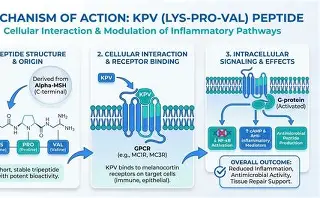
KPV Peptide is a synthetic tripeptide composed of three amino acids:
Lysine
Proline
Valine
It is derived from alpha-melanocyte-stimulating hormone (α-MSH), a naturally occurring peptide involved in several biological processes.
Unlike metabolic peptides that are primarily researched for weight management, KPV is mainly studied for its potential influence on inflammatory responses and immune signaling.
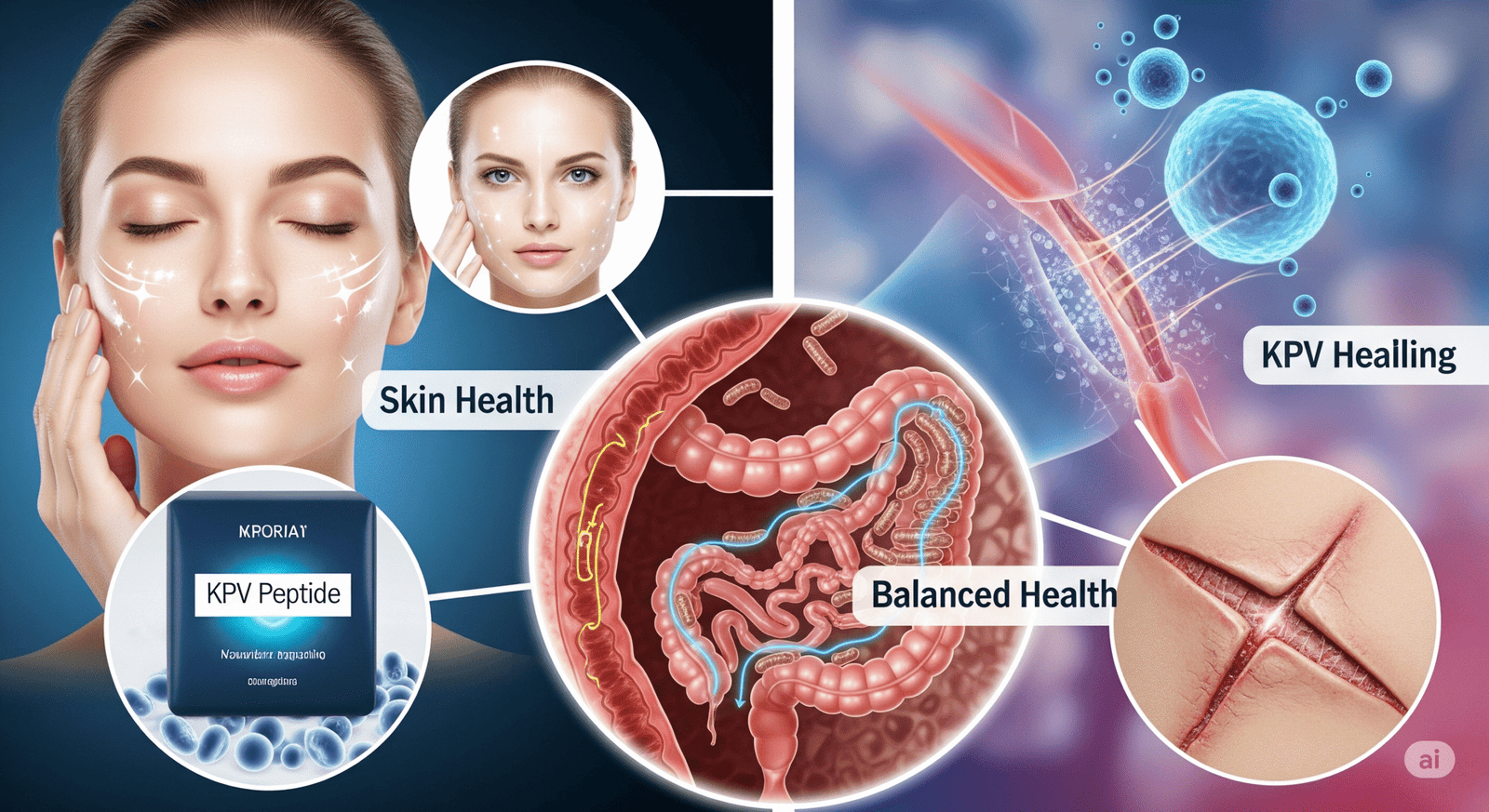
Current laboratory research is exploring its role in:
Inflammatory pathways
Gut barrier integrity
Skin health
Tissue repair
Immune regulation
Although scientific interest continues to grow, KPV remains an investigational research peptide and is not approved for treating or preventing any disease.
Overview of the Research Peptide Market
The peptide industry has expanded rapidly over the past several years, with researchers investigating compounds for a variety of biological functions.
Popular research peptides include:
[pt 141 peptide]
[wolverine peptide]
[glow peptide]
[klow peptide]
While these peptides are researched for different purposes, KPV has gained attention because of its potential anti-inflammatory properties and relatively simple molecular structure.
You can learn more about peptide terminology through Wikipedia's peptide article.
Why KPV Peptide Stands Out
Several characteristics make KPV Peptide unique among research peptides.
Key Advantages
Small three-amino-acid peptide
Studied for anti-inflammatory mechanisms
Research involving gut health
Interest in skin inflammation models
Potential immune-modulating activity
High stability when properly stored
Compatible with multiple laboratory protocols
Growing number of scientific publications
Types and Versions of KPV Peptide
Although the peptide sequence remains the same, KPV is commonly available in different research formats.
Lyophilized Powder
This is the most common version.
Advantages include:
Excellent stability
Longer shelf life
Easy laboratory storage
Flexible reconstitution
Reconstituted Solution
Prepared immediately before laboratory use.
Benefits include:
Convenient preparation
Suitable for immediate research applications
Research Blends
Some laboratories investigate KPV alongside other research peptides depending on experimental objectives.
Researchers comparing inflammatory peptides may also review the [retatrutide dosage chart] when studying broader peptide categories.
KPV Peptide Comparison Table
Version Key Features Main Benefits Ideal Users copyrightple Research
Lyophilized Powder Freeze-dried Long-term stability Research laboratories Inflammation studies
Reconstituted Solution Ready for use Convenience Small labs Cell culture
Research Blend Combined peptides Multi-target research Advanced investigators Experimental protocols
Potential KPV Peptide Benefits
Current research has identified several areas of scientific interest.
Anti-Inflammatory Research
This remains the most widely studied application.
Researchers continue evaluating how KPV interacts with inflammatory signaling molecules.
Gastrointestinal Research
Laboratory models are investigating possible effects on:
Gut barrier function
Digestive inflammation
Cellular repair
Skin Health Research
Scientific interest also includes:
Skin inflammation
Tissue regeneration
Wound healing models
Immune System Research
Some studies suggest KPV may influence immune signaling pathways without broadly suppressing immune activity.
Further investigation is needed to fully understand these mechanisms.
Research Applications
KPV peptide is commonly investigated in studies involving:
Gastrointestinal inflammation
Immune signaling
Cellular biology
Skin research
Tissue repair
Experimental inflammatory models
Researchers may also compare findings with information related to [retatrutide dosing] or [retatrutide side effect] when reviewing different peptide categories.
General scientific information can also be explored using Google.
Key Features Explained
Small Molecular Structure
Its three-amino-acid composition makes KPV one of the simplest peptides currently under investigation.
Growing Scientific Interest
More researchers are studying KPV due to encouraging laboratory findings in inflammation models.
Multiple Research Areas
Unlike peptides focused on a single biological pathway, KPV is being investigated across several disciplines, including dermatology, immunology, and gastroenterology.
How to kpv peptide Choose the Right KPV Peptide
Before purchasing any research peptide, consider the following.
Certificate of Analysis (COA)
Always choose suppliers that provide third-party Certificates of Analysis verifying product identity and purity.
Purity
Look for products with clearly stated purity levels.
Supplier Reputation
Purchase only from suppliers that:
Specialize in research peptides
Provide transparent testing
Offer detailed product specifications
Maintain positive customer feedback
Packaging
Proper packaging helps maintain peptide stability during shipping and storage.
Practical Buying Tips
Before ordering KPV peptide, ask yourself:
Is a recent COA available?
Is third-party testing provided?
Does the supplier specialize in research peptides?
Are storage instructions included?
Is product purity clearly disclosed?
These considerations can help you identify reliable research-grade products.
Pros and Cons
Pros
Growing body of scientific research
Potential anti-inflammatory applications
Simple peptide structure
Multiple laboratory research uses
Available from reputable peptide suppliers
Cons
Still considered investigational
Limited long-term human research
Not approved for medical treatment
Product quality varies between suppliers
Providing both advantages and limitations gives researchers a balanced understanding of the current evidence.
Common Issues and Troubleshooting
Improper Storage
Incorrect storage conditions may reduce peptide stability.
Solution: Follow the supplier's recommended storage guidelines.
Poor Reconstitution
Using incorrect techniques may affect research consistency.
Solution: Follow established laboratory protocols and best practices.
Low-Quality Products
Some suppliers may not provide adequate testing.
Solution: Purchase only from trusted suppliers that offer Certificates of Analysis and independent testing.
Where to Buy KPV Peptide
When purchasing research peptides, choose suppliers that emphasize quality, transparency, and independent testing.
A reputable supplier should provide:
Third-party laboratory testing
Certificate of Analysis (COA)
High-purity research products
Clear storage recommendations
Responsive customer support
You can explore high-quality research peptides, including KPV and related products, at:
[Klow Peptide]
For additional educational resources and search tools, you can also visit Bing.
Frequently Asked Questions
What is KPV Peptide?
KPV Peptide is a synthetic tripeptide derived from α-MSH that is being researched for its potential anti-inflammatory and immune-related properties.
What are KPV peptide benefits?
Researchers are investigating potential roles in inflammation, gut health, skin biology, and immune signaling. More research is needed before definitive conclusions can be made.
Is KPV Peptide approved for medical use?
No. KPV Peptide is an investigational research compound and is not approved to diagnose, treat, cure, or prevent any disease.
How should KPV Peptide be stored?
Storage requirements vary depending on the product format. Always follow the supplier's recommendations to maintain stability.
How does KPV compare with other peptides?
Unlike peptides primarily researched for metabolic health, KPV is mainly studied for inflammation and immune-related pathways. Researchers often compare it with [glow peptide] and wolverine peptide depending on their research goals.
What should I look for before buying KPV Peptide?
Choose products that include independent testing, a Certificate of Analysis, transparent purity information, and reliable supplier support.
buy retatrutide here